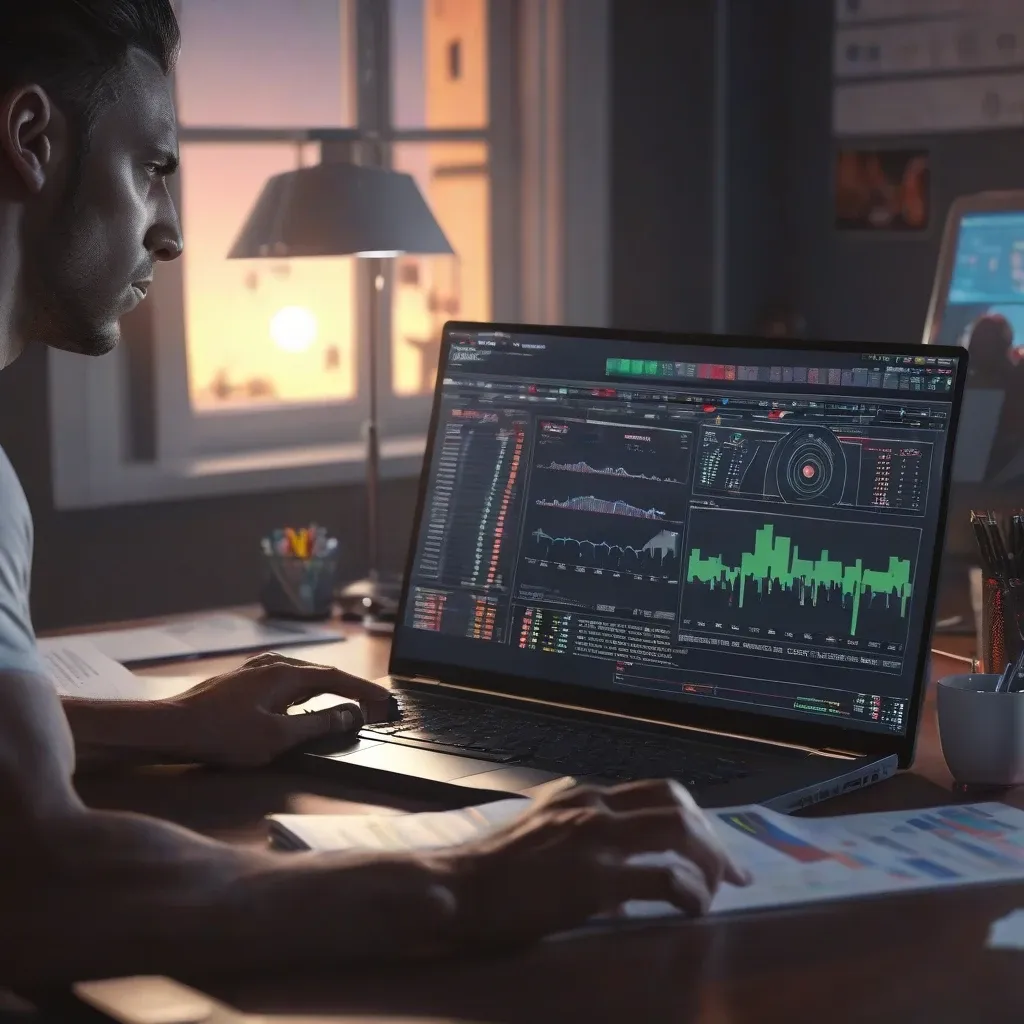
Think fast: you’re catching a live game, but not just watching—you’re between plays, thumb hovering over a “place bet” button on your phone. That jumpy, real-time impulse isn’t random; it’s the new normal. Over 80% of all wagers now hit the screen via mobile devices, flipping the old desktop-and-pre-game model into a frantic, live-action beast. And we’ve tracked every gut-punch pivot of this shift firsthand. The future of sports betting in this digital age isn’t a slow roll—it’s a chaotic, data-fueled sprint. Mobile betting isn’t just a convenience; it’s the entire arena. Online sports betting trends heading into 2026 scream one thing: if your bet isn’t placed mid-play, you’re already behind. Live wagering feeds on split-second algorithms, and this article dives into exactly what’s reshaping that tiny, sweaty window between a snap and a score.
The Mobile-First Revolution
The whole game changed when the smartphone became the primary betting device. No more sitting at a desktop, no more waiting for a page to load on a laptop. Now it’s all about frictionless login, instant funding, and designs so intuitive even a first-timer can place a wager in under thirty seconds. Seriously—logging in takes seconds, and placing a bet can actually be faster than ordering a coffee. That speed and convenience removed a ton of friction, and the numbers reflect it: more than 80% of all wagers now happen on a mobile device. This isn’t just a trend; it’s a full-on revolution in how people engage with sports betting. The old guard of desktop diehards? They’re fading fast. The shift happened rapidly over just a few years, and mobile-first design is now the standard. Betting app innovation accelerated—think biometric logins, one-tap deposits, and real-time odds refreshing. The result? The audience expanded hard. The average bettor dropped in age—mid-thirties now—and female participation climbed to 38%. That’s a massive change from the old stereotype of the male, middle-aged bookie-rat. Mobile didn’t just make betting easier; it made betting accessible to everyone.
From Desktop to Pocket
Remember the old days? You’d fire up a desktop browser, type in a URL, fumble with a clunky interface, and wait for funds to clear for hours. That’s dead. Now it’s app-based wagering with near-instant funding—deposits show up in seconds. According to Sportsbook Advisor, the shift from desktop to pocket has been staggering. User experience became the battleground, and the winners are the apps that made everything one thumb-tap away. Desktop betting is in full decline. The pocket won.
Who Is Betting Now?
Betting demographics look nothing like they did five years ago. Younger bettors—mid-30s on average—now dominate the action, and women make up 38% of the betting audience. Why? App design simplified everything, removing the need to “know the odds” or navigate complex lines. Just pick a team, pick a stake, tap. That ease opened the door to a whole new crowd. No background knowledge required.
2. Live Betting: The New Normal
The crisp, singular pre-game wager is fading into the background. The modern betting landscape is defined by what happens after the opening whistle. In-play wagering now accounts for an overwhelming 64% of all wagers, a jump from under half just a few years ago. That’s not a trend; it’s a seismic shift in how people interact with sports. Bettors no longer make one decision and walk away. They react to turnovers, injuries, scoring runs, and momentum swings as they happen. The odds update with a jarring speed that keeps eyes glued to the screen. A red card in soccer? The live market reshapes itself in seconds. A missed free throw in basketball? The line on the next possession flips. This isn’t passive gambling anymore – it’s an interactive, real-time chess match against the bookmaker. The reason people open their betting apps now is not to place a single bet but to stay inside the game, constantly reading the flow and adjusting their stake. Live betting has become the main event, turning every play into a potential new opportunity. The challenge for sportsbooks is keeping these odds accurate while the game breaks into chaos around them.
The Technology Behind Instant Odds
Not all sportsbooks can price live markets with any real accuracy. The ones that do? They retain viewers until the final whistle. Behind the scenes, dynamic odds rely on complex pricing algorithms that ingest real-time event data – possession changes, shot zones, foul counts – and spit out a new line within a heartbeat. Live odds management is a brutal technical hurdle. A fraction of a second delay can cost the book thousands. Only operators with robust infrastructure survive the constant recalibration.
Live Streaming as a Betting Companion
Full live streaming directly inside the sportsbook app isn’t universal yet. But that’s fine. What works even better are real-time match trackers – dynamic ball position maps, shot heatmaps, and play-by-play feeds. These tools let you watch the game’s skeleton without needing a TV signal. The point is to keep you inside the app, your thumb hovering over the bet slip, reacting to every red dot that moves across a pitch or court. It’s betting with your eyes, not just your gut.

3. AI Behind the Scenes
Artificial intelligence is the invisible engine humming underneath every mobile live bet. It doesn’t just make the platform work—it decides which odds pop up, which risks get flagged, and which player gets a gentle nudge to log off. In 2026 the conversation has shifted from “should we use machine learning?” to “which use cases can we actually trust?” because models now touch pricing, risk, personalization, responsible gambling detection, and even how affiliates are scored. That’s five distinct layers, each with its own maturity and pitfalls.
The pricing and trading layer is the oldest and most battle-tested. Machine learning crunches historical data, live match flow, and market movements to adjust odds in near real-time. AI risk and limiting runs alongside it—watching for patterns that scream arbitrage, bonus abuse, or sharp syndicate play. Then comes personalization and recommendation, where models trained on session behavior start nudging players toward bets they probably already want. Responsible gambling detection layers on top, scanning for behavioral flags—sudden deposit spikes, chasing losses, rapid-fire bets—and can trigger soft interventions without a human ever looking at a screen.
Affiliate scoring is the quietest layer of all: algorithms rate which traffic sources convert cleanly and which carry high churn or fraud risk. Every one of these models needs to be explainable and auditable because regulators and internal governance teams are no longer taking black boxes at face value. The question in 2026 is not whether to use ML, but which use cases to trust—and that trust must be earned through transparency, not just accuracy.
Personalization and Bet Builders
Recommendation models trained on session behavior lift engagement by a mile. Take a customer who regularly bets on soccer corners—the AI spots that pattern and, in the middle of a live match, serves up a bet on the next corner kick with a personalized price. Same-game parlay suggestions get the same treatment: the system builds bet slips around the player’s recent history, past markets, and even time of day. It feels almost spooky, but it’s just math predicting what keeps a thumb tapping.
The Governance Imperative
The NIST AI Risk Management Framework has become the rulebook for sportsbook AI governance. A model that cannot be explained or turned off is a legal liability waiting to happen. Operators must document training data, validation splits, and performance drift thresholds—and have a kill switch ready. Auditors and regulators now ask “show me your model card” before they ask “show me your profit.” Compliance is non-negotiable, and opaque algorithms are out.
4. The Rise of Bet Builders and Player Props
Modern sportsbooks have effectively weaponized granular data. A single match is no longer one bet; it’s a sprawling menu of micro-outcomes waiting to be chained together. The bet builder—often called a same-game parlay—lets you combine wildly different events from the same fixture. Will this striker score a header? Will that midfielder commit a foul? You can stack them all into one massive ticket. The result? Dozens of betting opportunities emerge from what used to be a simple win/lose binary.
Player props have exploded alongside this. Instead of guessing the final score, bettors now focus on individual performances. Football bettors routinely analyze xG, shot maps, and player performance stats directly inside the betting interface. These advanced metrics—like Expected Goals—are integrated right there. You don’t need to navigate away to a separate analytics site. The friction disappears. The system feeds you the xG numbers, the heat maps, the touches in the box. You decide if Mohammed Salah’s xG justifies a prop bet on his anytime goal. It all collapses into one fluid, chaotic experience where a single game feels like a full trading floor.
Responsible Gambling in a Digital World
Betting today isn’t just a click—it’s a full-blown immersion. But as the experience gets more lifelike, the guardrails have quietly become standard. Deposit limits, session timers, and “take a break” buttons aren’t afterthoughts anymore; they’re baked into the interface. Here’s where the numbers tell a real story: 38% of users actually set daily deposit limits, one-third habitually review their monthly summaries, and more than one in five actively use short-term time-out features. That’s not a fringe behavior—it’s a quiet majority leaning into self-control.
The industry maturity shows in how these tools are woven into the flow, not tacked on as an afterthought. But the real shift? AI. The same behavioral models that marketers use to nudge engagement can now flag markers of harm—spikes in frequency, chasing losses, sudden session extensions. It’s a weird tension: the very algorithms designed to keep you playing are also the ones that might pause the action. Safety and stickiness walk a tightrope. The prediction? More friction, smarter nudges, and a quiet reset of what “responsible” looks like in a world where the line between player and product keeps blurring.

6. The Payment Evolution
The cashless revolution has reshuffled the deck for sports betting payments. Digital wallets now command a dominant 44% slice of the action, finally pushing traditional credit and debit cards into second place. Cryptocurrency betting, meanwhile, holds roughly a 6% share—a number that cooled significantly from its earlier speculative hype. Bank transfers haven’t disappeared though; they remain the go-to method for processing those larger deposit amounts where stability matters more than speed. The real battleground today is speed. Instant withdrawals have become a non-negotiable competitive advantage, forcing operators to rethink their entire payment trends strategy. Get the payout fast or lose the customer. Simple as that.
Conclusion: What’s Next?
This industry isn’t peaking—it’s pivoting. Three forces are redrawing the map: mobile ubiquity has turned every couch and commute into a betting floor, live betting dominance makes every pitch count in real-time, and AI hums invisibly under the hood, crunching odds and personalizing pushes. That’s the new normal. Then comes the 2026 FIFA World Cup—a massive catalyst spreading across North America, pulling in casual fans and hardcore punters alike, forcing platforms to scale even faster. Embedded betting is no longer a gimmick; it’s part of how we watch. The device in your pocket is now a full-service sportsbook, and that’s only the beginning.